Why Clever People Fail to Learn: Chris Argyris on Defensive Routines

Why do clever, well-meaning people in organisations keep failing to learn from their own mistakes? Chris Argyris’s uncomfortable answer is defensive routines.
Why do clever, well-meaning people in organisations keep failing to learn from their own mistakes? Chris Argyris’s uncomfortable answer is defensive routines.

The RACI matrix promises clarity about who is accountable, but it often manufactures the very confusion it claims to cure. What accountability really requires.

The organisations that will thrive with AI are not those that adopt the most tools fastest, but those that build the capacity to keep adapting. A more-than-half-century-old law from cybernetics explains why.

Why adaptivity is the defining capability of the AI era. AI does not transform software organisations; it amplifies what is already there. Drawing on the 2025–2026 evidence from DORA, METR, GitHub, Stack Overflow and peer-reviewed studies, this article explains why adaptive capacity, not tool adoption, is the durable advantage.
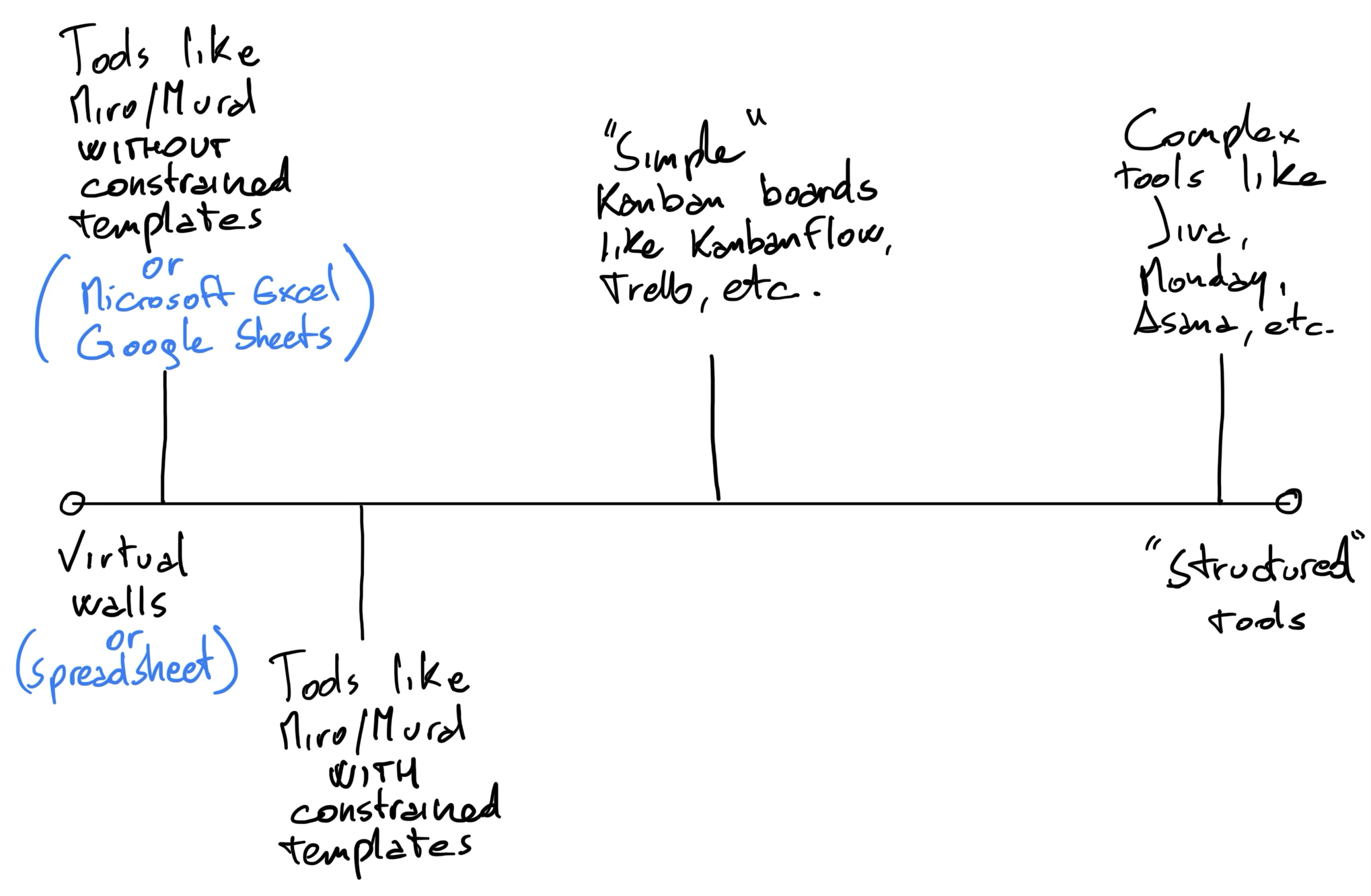
While digital tools can help teams visualise and manage the Product Backlog, they also introduce challenges that can impact collaboration and transparency…

Management teams make decisions in isolation without input from teams who will implement the work.
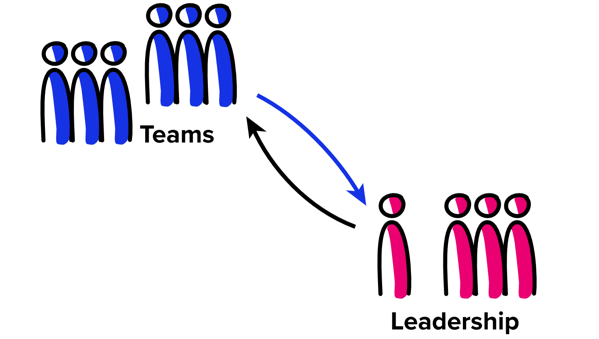
Leaders become so busy with daily operational tasks that they lose sight of their most important work: growing organisational capabilities and developing people.
Complex digital tools can hinder team collaboration and ownership of Sprint Backlog management.
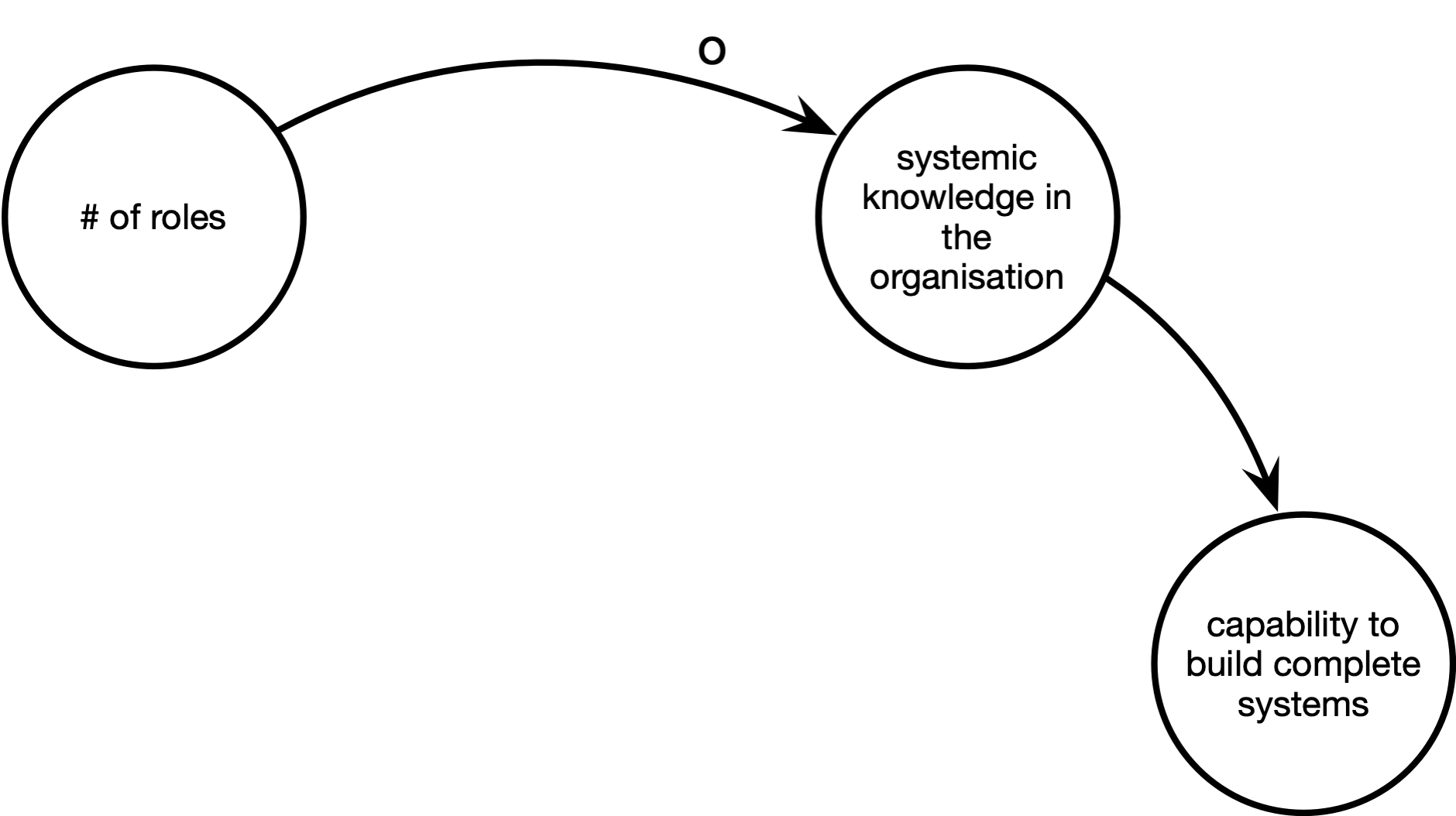
Organisations create too many specialized roles too early, leading to knowledge silos, coordination overhead, and organisational complexity that becomes impossible to reverse.

A pretty common question I get asked when teaching Scrum is about the Scrum Master as a second role for a Developer or the Product Owner. While this is a typical implementation, and several other authors are arguing for the Scrum Master to be a temporary, part-time or rotating role among the rest of the Scrum Team, I have to disagree for three primary reasons…
One interesting observation I made several times during agile transformation initiatives is that they seem to be activated by a sort of organisational energy that drives the change. This lasts for a certain amount of time, but then it usually fades and is eventually gone.
Managers constantly watching over agile teams during sprints destroys team autonomy, reduces accountability, and undermines the motivation that comes from self-organisation.
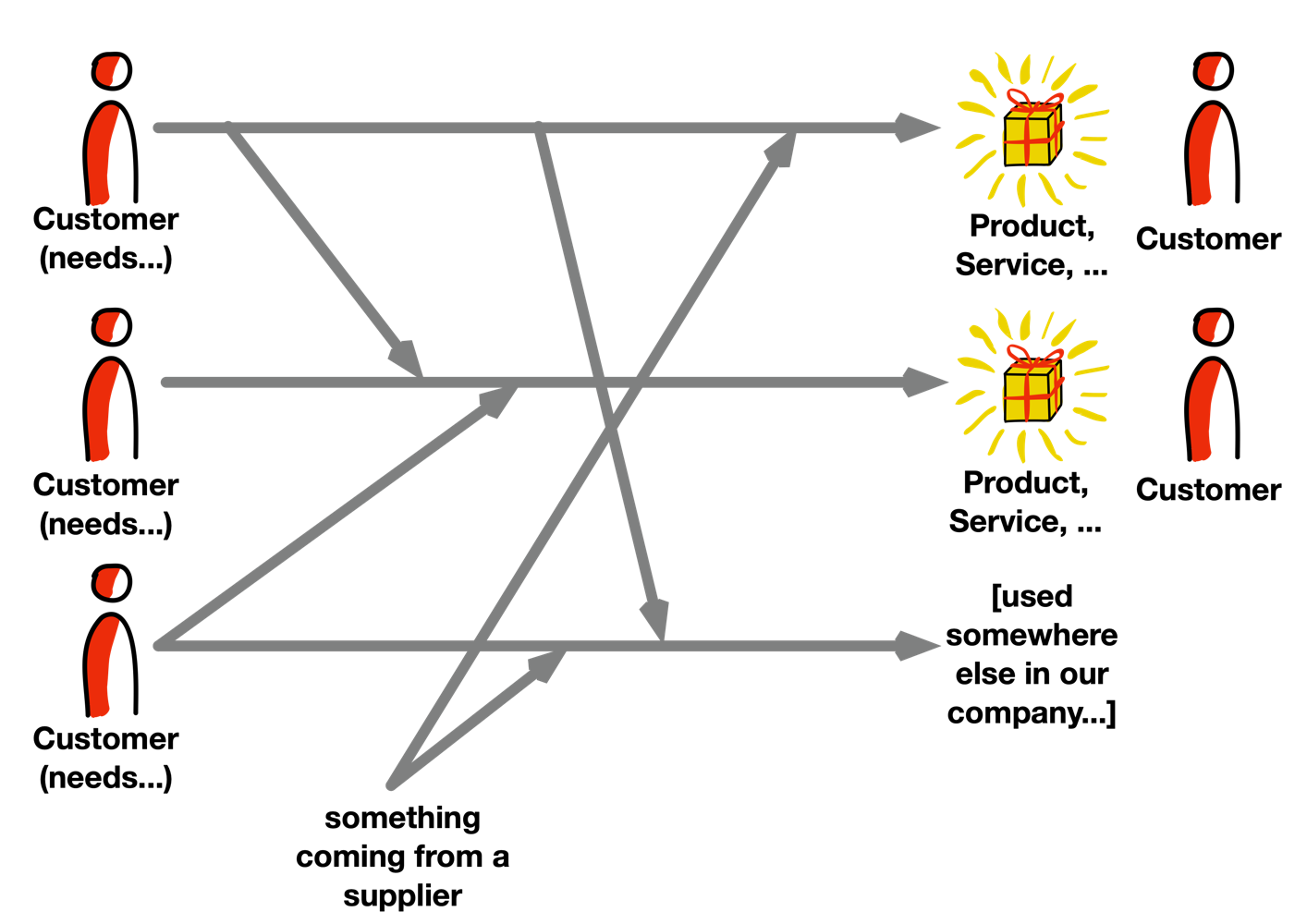
Organisational agility requires reducing ‘accidental complexity’ - rather than just implementing agile methods at the team level.
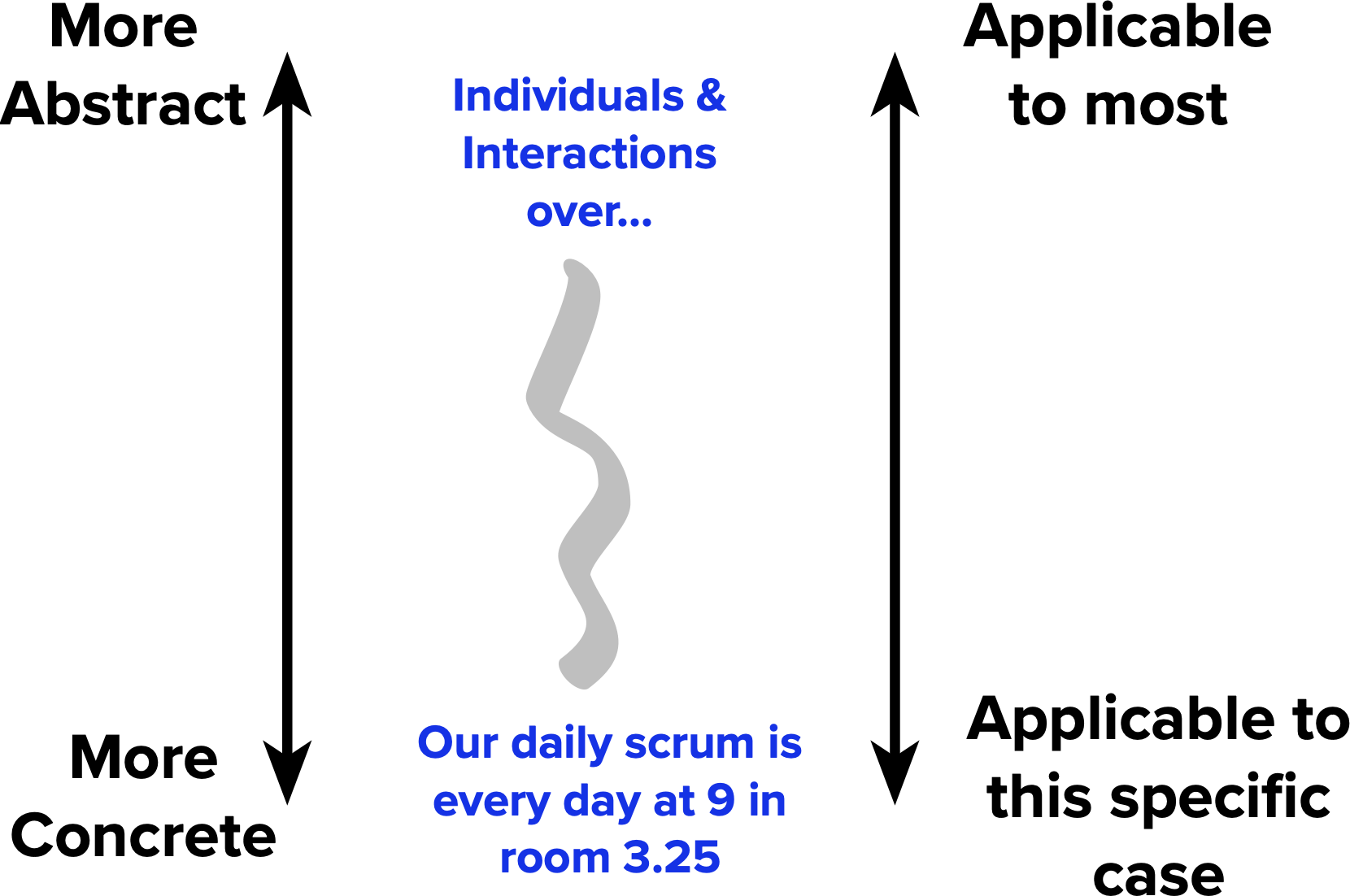
Scaling frameworks create rigid rules that clash with organisational realities, making it difficult to adapt agile practices to large, complex environments with existing constraints.

Agile coaches face a fundamental conflict between their coaching role requiring neutrality and their evangelist role promoting specific agile practices and outcomes.